



 By
By When starting a new vitamin or supplement, it’s natural to wonder how long does it take for vitamins to work or when you’ll actually notice a difference. Understanding this can help you set realistic expectations and avoid disappointment while staying focused on your health goals.
The time it takes to see results depends on several factors, from the type of vitamin to your body’s unique needs. Let’s explore what influences these timelines.
Key Takeaways:
- Water-soluble vitamins (C, B-complex) act faster, while fat-soluble vitamins (A, D, E, K) take longer to build up.
- Deficiency levels and health status affect speed; severe deficiencies often show quicker improvements.
- Diet and absorption factors matter: fat-soluble vitamins absorb best with healthy fats, and daily consistency is crucial.
- Patience and consistency with quality supplements are key to seeing long-term benefits.
Factors Affecting How Long Vitamins Take to Work
To answer the question, “How long does it take for vitamins to start working?”, it can depend on several factors. Here are the key factors.
1. Water-Soluble and Fat-Soluble Vitamins
The type of vitamin plays a major role in absorption speed. Vitamins can be categorized into two classifications.
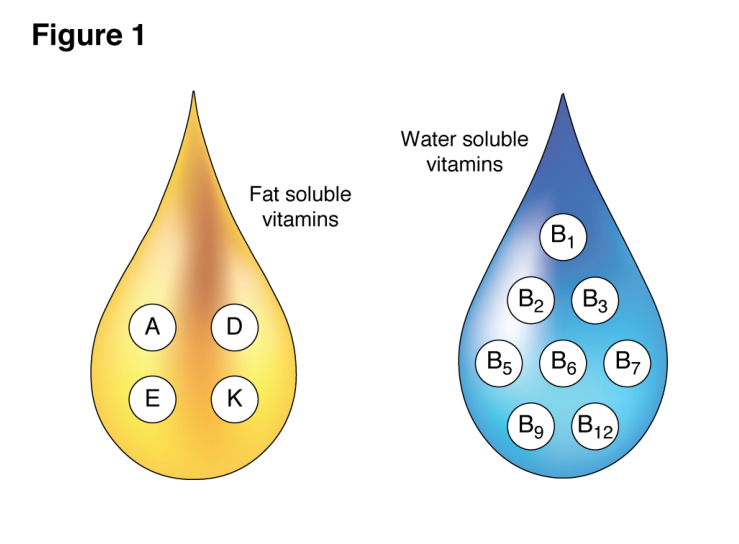
a. Water-Soluble Vitamins
Vitamins like C and the B-complex are absorbed quickly, and any excess is excreted in urine. If you’re deficient, changes can appear fast. Vitamin C may ease fatigue within days, while Vitamin B12 often improves energy and alertness in days to weeks.
Also Read: 10 Worst Foods for Eye Health: Dangerous Habits Stealing Vision!
b. Fat-Soluble Vitamins
Vitamins A, D, E, and K are stored in the liver and fat tissues, so they build up slowly. Benefits usually take weeks to months. For example, research from Nature Made shows Vitamin D may require two to three months of consistent intake to reach optimal levels.
2. Health Status and Deficiency Levels
Your current health and nutrient levels strongly influence how long does it take for vitamins to work. When you’re deficient, your body prioritizes correcting the imbalance, so improvements can appear sooner.
For example, low vitamin D may cause fatigue or muscle weakness, and supplementation often eases these symptoms within weeks—even though restoring healthy levels can take months.
With mild deficiencies, progress is slower. Small changes may show in two to four weeks, while more significant results often require one to three months.
3. Diet
Your diet significantly influences how well your body absorbs vitamins. Fat-soluble vitamins absorb best when paired with healthy fats such as avocado or olive oil. Water-soluble vitamins, like vitamin C or B-complex, can be taken on an empty stomach but require daily consistency. Skipping doses can delay noticeable results.
4. Form
The form of the supplement can also influence how quickly you notice changes. Some people absorb liquid or gummy vitamins slightly faster than capsules, but consistency matters far more than the delivery method.
Also Read: Best Food for Brain Recovery: 15 Top Supercharged Choices
How Long Different Vitamins Take to Work
Vitamins may take effect differently based on several factors, but you may see results within these general timeframes. If you’re wondering how long does it take for vitamins to take effect, here’s what you can expect:
- Vitamin C: Often, within a few days, especially for reducing fatigue or boosting energy.
- Vitamin D: Usually several weeks to months to build up, particularly if starting from low levels.
- Vitamin B6: Around 1–3 weeks for noticeable effects.
- Vitamin B12: Can ease symptoms in weeks, especially when deficient.
- Biotin: Typically, about 6 weeks.
- Multivitamin: Subtle benefits may appear within a few weeks if they fill existing nutrient gaps.
How Age Affects Vitamin Absorption and Results
As we age, vitamin absorption naturally declines due to changes in digestion and metabolism. Research shows that older adults often produce less active vitamin D, making it harder to maintain healthy levels.
Vitamin B12 is another common concern in seniors. Age-related reductions in stomach acid and intrinsic factor make it harder to absorb B12 from food, even with an adequate diet. As a result, older adults may need more absorbable vitamin forms, and results can take longer than in younger people.
Tips to Maximize Vitamin Effectiveness
Use these simple tips to maximize your supplements:
- Pair fat-soluble vitamins (A, D, E, K) with foods rich in healthy fats to boost absorption.
- Stick to a daily schedule to avoid missed doses and maintain consistency.
- Choose high-quality supplements to ensure safety and potency.
- Track your progress through symptom changes and, when possible, lab tests.
- Support vitamin effectiveness by eating a balanced diet, staying hydrated, getting enough sleep, and managing stress.
Also Read: Why Am I Tired After 8 Hours of Sleep? Here’s the Answer
Making Vitamins Work for You
Understanding how long does it take for vitamins to work helps set realistic expectations and keeps you consistent in your health journey. To get the most benefit, choose quality supplements, pair them with healthy foods, and stay consistent. With patience and regular use, your body will have the time it needs to show lasting results.