


 By
By People often say you need at least 8 hours of sleep each night, but why am I tired after 8 hours of sleep? Certain factors may be affecting your rest. Read on to explore how to wake up refreshed every morning.
Key takeaways
- Disorders, stress, or environmental factors can disrupt restorative sleep even if you get enough hours.
- Conditions like thyroid problems, anxiety, or depression can contribute to persistent fatigue.
- Caffeine, alcohol, heavy meals, or poor sleep environments often reduce sleep efficiency and leave you groggy.
Do We Actually Need 8 Hours of Sleep?
We often hear that eight hours is the ideal amount of sleep, but the reality is that sleep needs vary from person to person. Most adults generally function best with 7–9 hours, though some may feel refreshed with a little less, while others require more to feel fully restored.
This also explains why some people ask, “Why am I tired after 8 hours of sleep?” The truth is that eight hours is not a one-size-fits-all solution. According to the National Sleep Foundation, young adults (18–25) and adults (26–64) should aim for 7–9 hours, while older adults (65+) may need 7–8.
These are guidelines, not strict rules, because sleep needs differ based on age, lifestyle, health, and genetics. The key is finding the amount of sleep that leaves you feeling rested.
Sleep Quality vs Quantity
Is it more important to focus on how long you sleep or how well you sleep? According to research from the National Library of Medicine, sleep quality has a stronger impact on health, mood, life satisfaction, and daytime alertness than sleep quantity.
Good-quality sleep helps your body cycle through all the essential stages of rest, leaving you energised and clear-headed. On the other hand, poor-quality sleep can cause fatigue, irritability, and lack of focus, even if you technically got 7–9 hours of sleep.
Also Read: 10 Worst Foods for Eye Health: Dangerous Habits Stealing Vision!
Why Am I Tired After 8 Hours of Sleep?
Many people still wake up exhausted after a full night’s rest, raising the question: “Why do I feel tired after sleeping well?” In many cases, the cause lies beyond sleep duration. Exploring these factors can reveal valuable insights into your body’s needs and overall health.
1. Having a Sleep Disorder
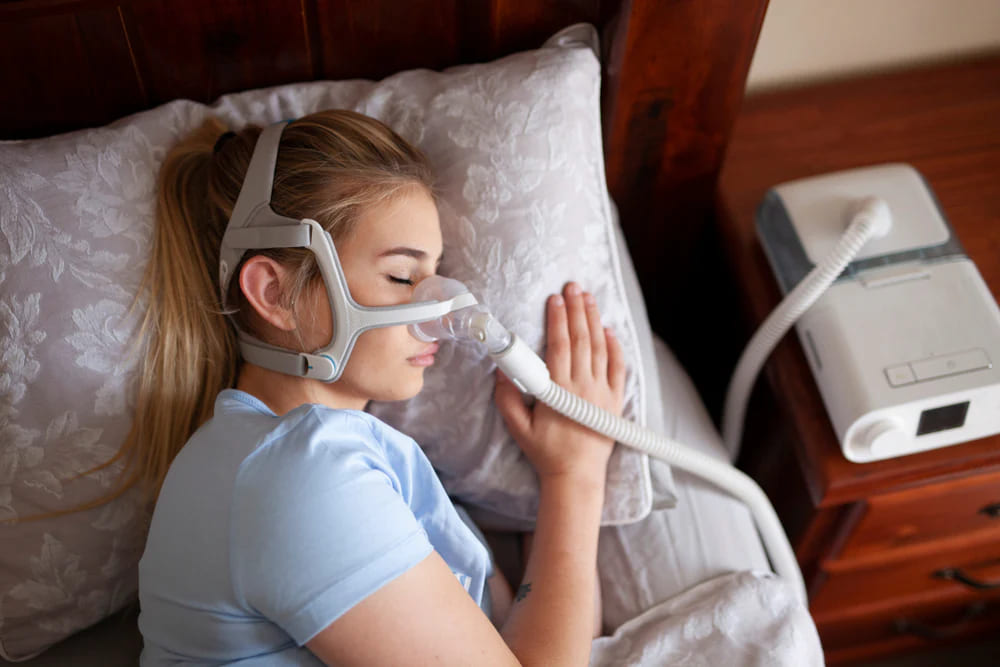
Feeling tired after 8 hours of sleep can signal an undiagnosed sleep disorder. Conditions like sleep apnea, insomnia, restless legs syndrome, narcolepsy, hypersomnia, or teeth grinding often disrupt rest. In some cases, a snoring partner or co-sleeper with sleep issues can be just as disruptive.
Because these disorders interfere with restorative sleep, seeking a medical evaluation is important. Proper diagnosis and treatments, such as CPAP or alternative options, can help restore energy and improve overall well-being.
2. Mental Health Problem

If sleep disorders are ruled out, tiredness after a full night’s rest may be linked to stress or mental health conditions. Stress and anxiety, in particular, keep the mind active at night, making it harder to stay asleep, which leads to tiredness. Relaxation techniques like meditation and deep breathing can help to improve sleep quality.
3. Thyroid Problems
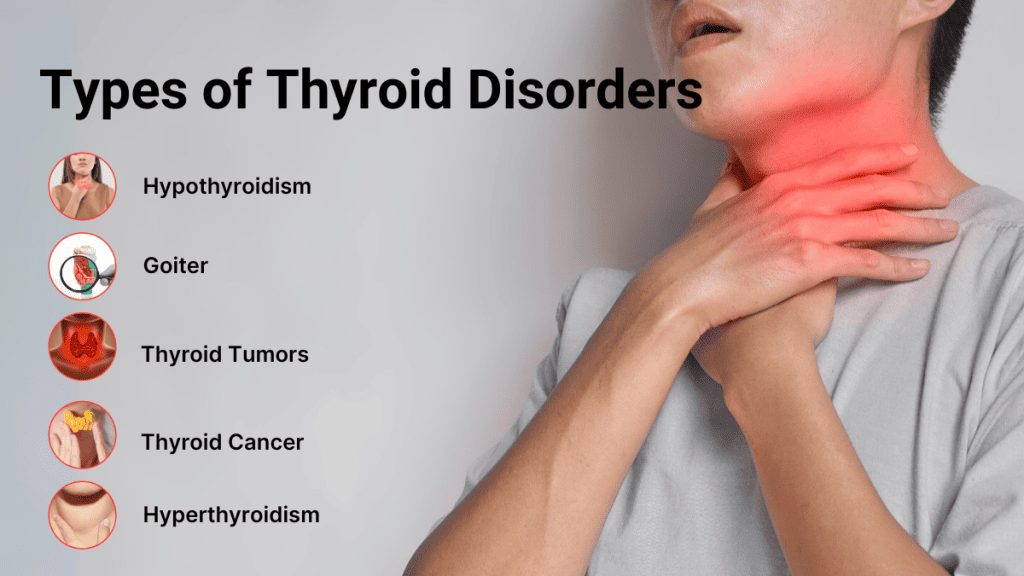
Daytime fatigue may also signal a thyroid issue, particularly an underactive thyroid (hypothyroidism). When the thyroid doesn’t produce enough hormones, metabolism slows, causing persistent tiredness and low energy.
If you suspect a thyroid problem, consult your doctor for a blood test. Hypothyroidism can often be managed with medication to restore hormone balance. Once treated, many people experience improved energy levels and better sleep quality.
Also Read: 15 Morning Routine Ideas to Boost Productivity All Day
4. Unoptimized Sleep Environment
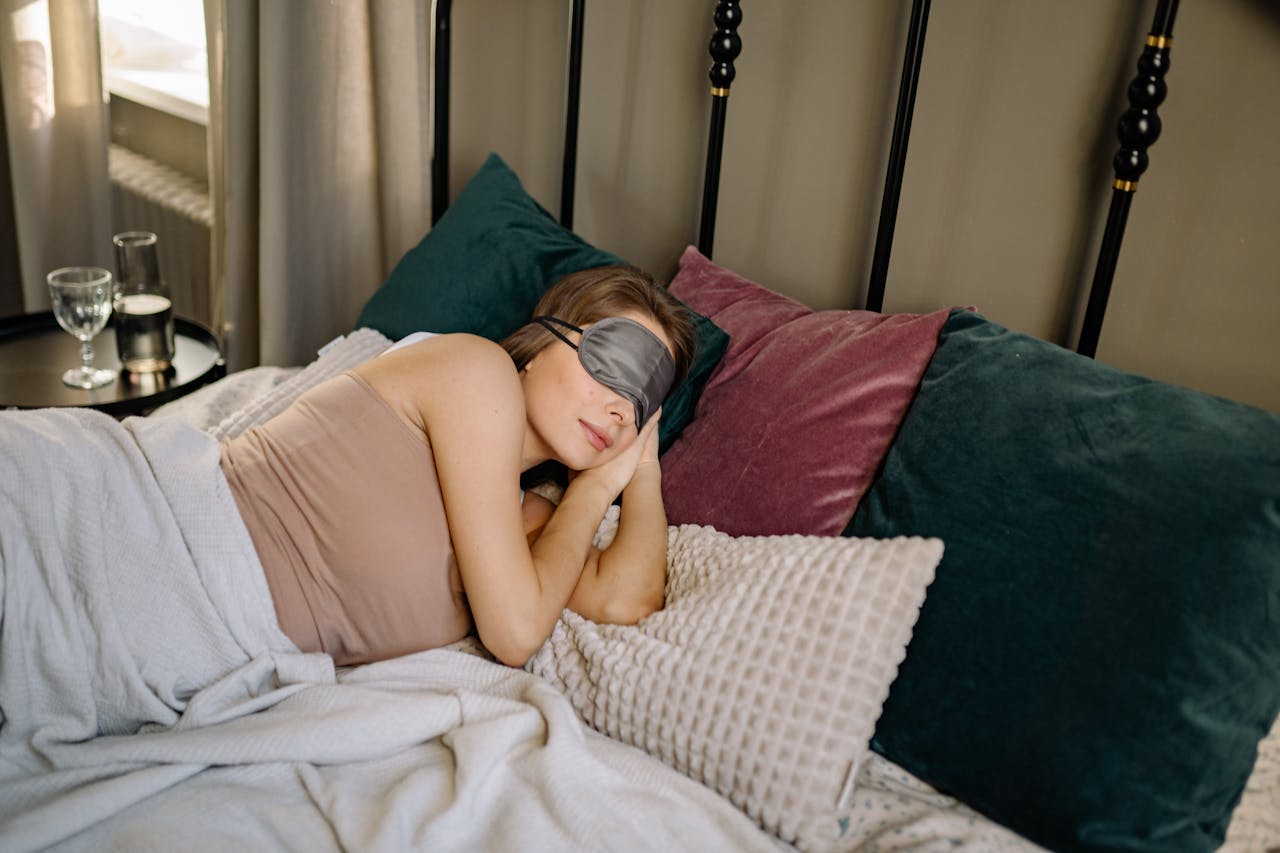
Your sleep environment plays a big role in how rested you feel. Research from the National Library of Medicine shows that environmental factors are strongly linked to sleep quality, such as noise, light, temperature, and overall bedroom condition.
To improve sleep quality, create a calm, comfortable environment. Keep your room cool, dark, and quiet, and invest in supportive bedding. Ambient sounds like green noise or soft music can help mask disturbances, allowing your body to fully recharge overnight.
5. Diet and Lifestyle

Diet and lifestyle habits can greatly impact how refreshed you feel after sleep. Consuming caffeine, alcohol, sugar, or heavy meals too close to bedtime can fragment sleep and reduce its restorative quality, often leaving you groggy in the morning.
To improve sleep, limit caffeine intake to early in the day and keep it within safe daily amounts. Avoid alcohol, rich foods, and late-night snacking, as these disrupt sleep cycles. Opting for lighter meals and regular exercise can also support deeper, more restful sleep.
Also Read: Improve Your Lifestyle with 6 Best Habit Tracker App Choices
The Real Answer to Why Am I Tired after 8 Hours of Sleep
So, why are you tired after 8 hours of sleep? The answer often lies beyond just the number of hours you sleep. Factors like sleep disorders, stress, lifestyle, or even medical conditions can all affect how rested you feel. Paying attention to your overall sleep health, not just sleep quantity, is key to waking up refreshed.